
Get Fruit Tree Pruning in Fairfield County, CT
Local contractors in Fairfield County, CT, can help property owners prune fruit trees to improve health, increase fruit production, remove hazards, and shape trees properly.
Properly pruning fruit trees is an important step in maintaining their health, productivity, and appearance. Property owners in Fairfield County, CT, who are considering this work often do so to promote better fruit yields, prevent potential damage from overgrown branches, and enhance the overall beauty of their landscapes. Exploring local contractor options can help ensure that the pruning is performed effectively and in accordance with regional climate considerations, making it easier to plan upcoming projects with confidence.
By comparing the services offered by nearby contractors, property owners can find experienced professionals equipped to handle a variety of pruning needs. Whether managing mature trees or young plantings, residents can access specialists familiar with the specific requirements of fruit trees in Fairfield County. Continuing to read can provide helpful insights into how local service providers can support the health and growth of fruit trees on any property.
- Fruit Tree Pruning - needed when fruit production declines or trees become overgrown in neighborhoods throughout Fairfield County, CT.
- Fruit Tree Pruning - recommended for maintaining healthy, manageable trees in residential backyards and community orchards nearby.
- Fruit Tree Pruning - essential when removing damaged or diseased branches to protect the overall health of fruit trees in local gardens.
- Fruit Tree Pruning - advised during dormant seasons to encourage better fruit yields and tree structure in areas around Bridgeport and Stamford.
- Fruit Tree Pruning - useful for shaping young trees and promoting strong growth in orchards and private properties across nearby towns.
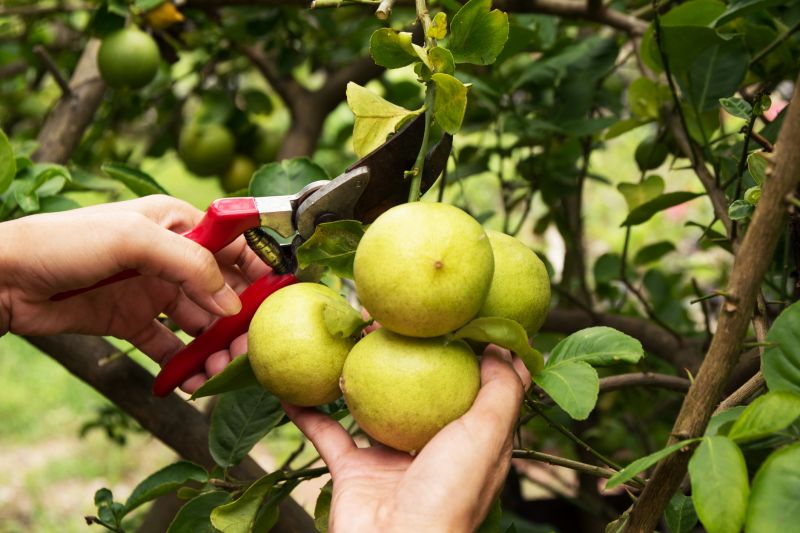
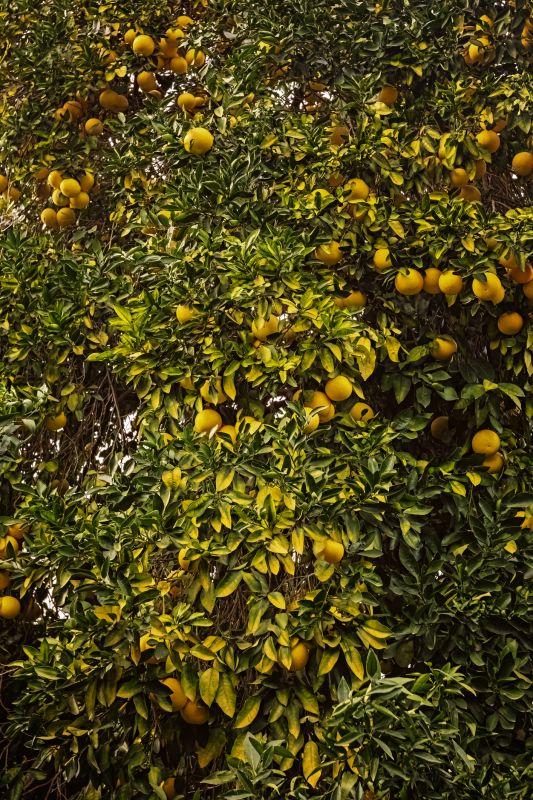
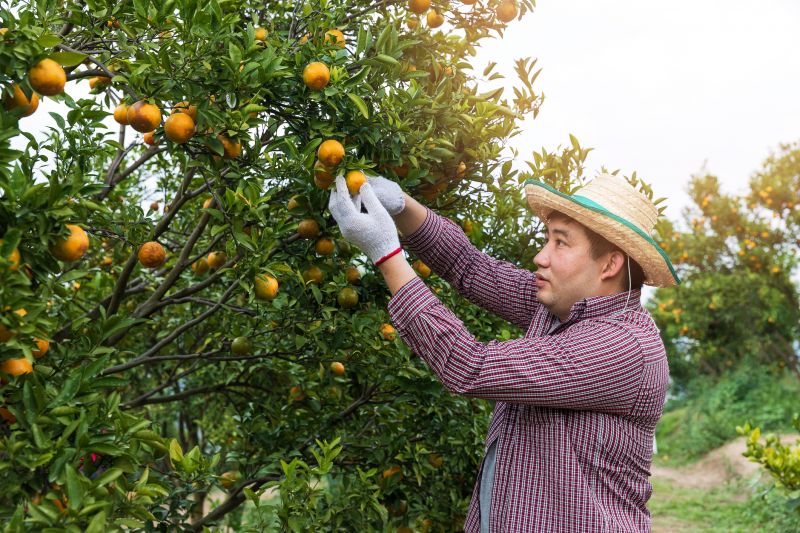
Fruit tree pruning services involve carefully trimming and shaping fruit-bearing trees to promote healthy growth and maximize fruit production. This process typically includes removing dead or diseased branches, thinning out crowded areas, and cutting back overgrown limbs. Proper pruning not only helps maintain the tree’s structure but also encourages better air circulation and sunlight exposure, which are essential for producing high-quality fruit. Skilled service providers understand the specific needs of different types of fruit trees, such as apple, pear, cherry, or peach, ensuring that each tree receives appropriate care to thrive.
Pruning can address a variety of common problems that affect fruit trees. Overgrown or tangled branches can hinder air flow, leading to increased risk of fungal diseases or pest infestations. Additionally, damaged or diseased limbs can weaken the overall health of the tree, reducing its fruit yield. Poorly shaped trees may also become unstable or prone to breakage during storms. Regular pruning helps mitigate these issues by removing problematic branches early on, improving the tree’s structure and health, and ultimately leading to more abundant and better-quality fruit.
Many types of properties benefit from fruit tree pruning services, including residential yards, orchards, and community gardens. Homeowners with fruit trees often seek pruning to ensure their trees remain healthy, safe, and productive. Larger properties or farms with multiple trees may require professional pruning to manage the size and shape of their orchard efficiently. Urban or suburban properties with limited space also benefit from proper pruning to prevent trees from becoming a hazard or interfering with structures and power lines. Local contractors can tailor their services to meet the specific needs of each property type, helping owners enjoy healthy trees and bountiful harvests.
Homeowners who notice issues such as uneven growth, dead branches, or a decline in fruit production may want to consider fruit tree pruning services. This work is also recommended if trees have become overgrown, damaged, or poorly shaped over time. Regular pruning not only enhances the appearance of the trees but also supports their long-term health and productivity. By connecting with experienced local service providers, property owners can ensure their fruit trees are properly cared for, leading to healthier growth and better fruit yields season after season.
The overview below groups typical Fruit Tree Pruning projects into broad ranges so you can see how smaller, mid-sized, and larger jobs often compare in Fairfield County, CT.
In many markets, a large share of routine jobs stays in the lower and middle ranges, while only a smaller percentage of projects moves into the highest bands when the work is more complex or site conditions are harder than average.
Small Pruning Jobs - Typically range from $150 to $400 for routine trimming of individual trees or shrubs. Many local contractors handle these standard jobs regularly within this range. Larger or more complex small jobs may cost more but are less common.
Medium-Sized Tree Pruning - Most projects fall between $400 and $1,200, covering pruning for larger trees or multiple trees at a property. This is the most common range for routine pruning services in Fairfield County. Projects exceeding this often involve additional factors like access or safety concerns.
Large or Complex Pruning - These jobs usually cost between $1,200 and $3,500, involving significant work such as crown thinning or removal of large branches. Fewer projects reach into this tier, often due to the scope or difficulty involved.
Full Tree Removal - Larger, more involved projects can reach $3,500 or more, especially for mature or hazardous trees requiring extensive work. Such projects are less frequent and typically involve additional considerations like permits or site cleanup.
Actual totals will depend on details like access to the work area, the scope of the project, and the materials selected, so use these as general starting points rather than exact figures.
Orchard Tree Pruning - involves shaping and maintaining fruit-bearing trees, requiring similar skills in pruning, tool use, and planning as fruit tree pruning services.
Vine and Trellis Maintenance - includes trimming and training climbing plants, which shares techniques for precise cuts and plant health management with fruit tree pruning.
Landscape Pruning and Shaping - focuses on aesthetic and health-related trimming of shrubs and small trees, utilizing similar planning and pruning tools as fruit tree services.
Garden Bed Trimming and Cleanup - involves trimming overgrown plants and maintaining garden aesthetics, requiring careful pruning skills comparable to fruit tree care.
Tree Crown Thinning - involves reducing canopy density for health and safety, sharing expertise in branch removal, planning, and tool handling with fruit tree pruning.
Ornamental Tree Trimming - includes shaping and maintaining decorative trees, which involves similar techniques and planning as pruning fruit trees for optimal growth.
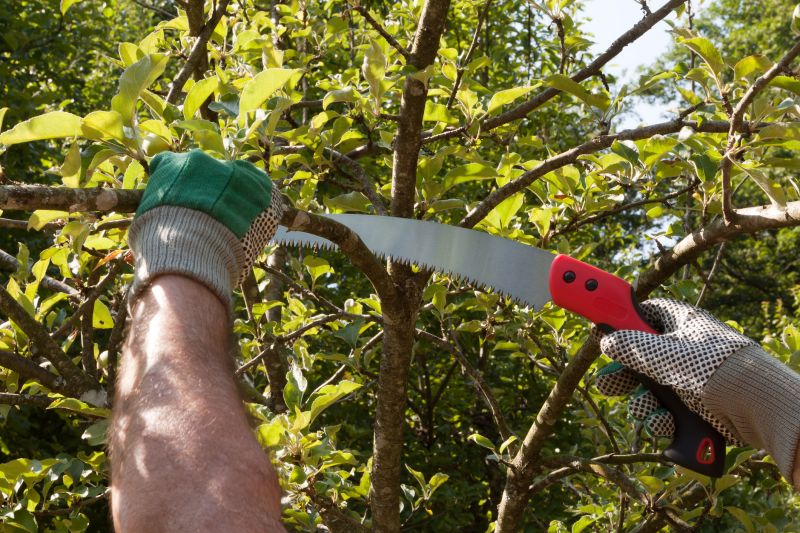
When selecting a contractor for fruit tree pruning, it’s important to consider their experience with similar projects. Homeowners should inquire about the types of trees they have worked on and the scope of pruning services they offer. A contractor with a proven track record in handling fruit trees can better understand the specific techniques necessary to promote healthy growth and fruit production. Checking references or reviews from previous clients who had comparable pruning needs can provide insight into the contractor’s expertise and reliability.
Clear communication of expectations is essential for a successful project. Homeowners should seek service providers who can articulate their approach to pruning, including the methods they use and the results they aim to achieve. Asking for a written outline of what the work will entail helps ensure everyone is aligned and reduces misunderstandings. A professional who takes the time to explain their process and listens to the homeowner’s concerns demonstrates a commitment to transparency and customer satisfaction.
Good communication extends beyond initial discussions. It’s beneficial to work with local contractors who are responsive and easy to reach, as this fosters a smooth working relationship. Reputable service providers should be willing to answer questions, provide updates, and address any concerns throughout the project. Since the site introduces homeowners to local options rather than performing the work directly, it’s recommended to contact multiple local professionals to compare their experience, communication style, and references. This approach helps identify the best match for the specific needs of fruit tree pruning in Fairfield County, CT, and nearby areas.
Property owners in Fairfield County, CT use Fruit Tree Pruning services for practical projects around their homes and businesses. This guide focuses on everyday jobs and straightforward project options.
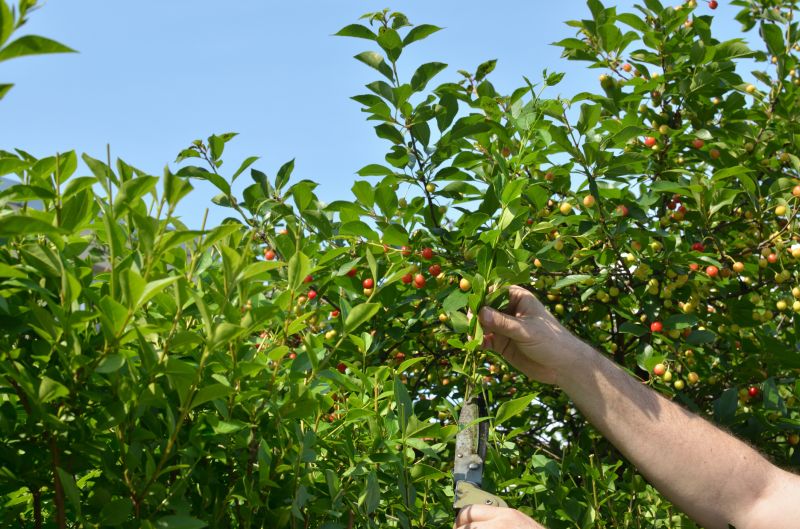
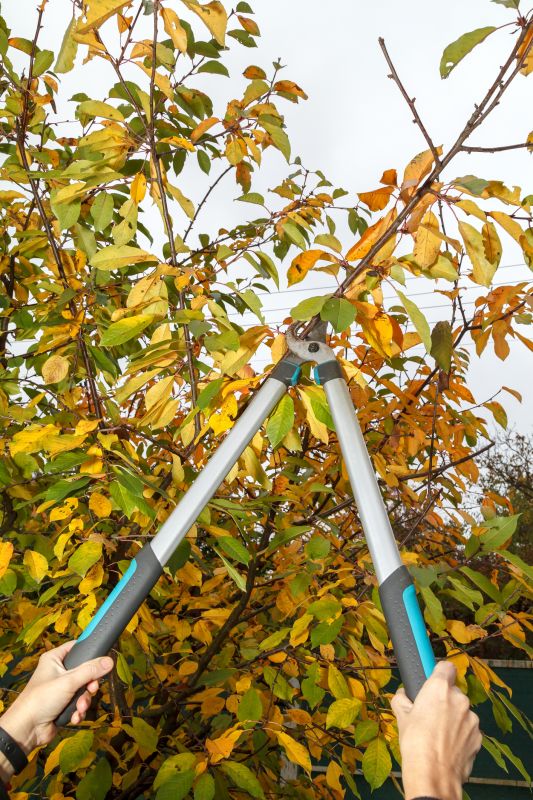
Property owners in Fairfield County, CT often seek fruit tree pruning services to maintain healthy growth and maximize fruit production. Overgrown or unpruned trees can become less productive or more susceptible to disease, making regular trimming an important part of orchard or backyard care. Additionally, pruning can help improve the overall appearance of the landscape, ensuring that fruit trees remain attractive and well-shaped throughout the seasons.
In many cases, homeowners may notice broken or dead branches that pose safety concerns or hinder the tree’s health. Local contractors can assist with removing damaged limbs, reducing the risk of falling debris, and promoting stronger, more resilient growth. Whether preparing trees for seasonal changes or addressing specific issues, property owners can find experienced service providers in Fairfield County ready to handle a variety of pruning needs.
Why is fruit tree pruning important? Proper pruning helps maintain tree health, encourages better fruit production, and prevents potential safety hazards caused by overgrown branches.
When is the best time to prune fruit trees? The optimal timing varies by tree type, but many fruit trees are best pruned during late winter or early spring before new growth begins.
What pruning techniques do local contractors use for fruit trees? They typically use methods such as thinning, heading, and shaping to improve air circulation, light penetration, and overall tree structure.
How does professional pruning benefit fruit yield? Skilled pruning removes dead or overcrowded branches, allowing the tree to focus energy on producing healthy, abundant fruit.
Can local service providers handle different types of fruit trees? Yes, experienced contractors are equipped to prune a variety of fruit trees, including apple, pear, cherry, and others, tailored to each species’ needs.
Tree Health Maintenance - Regular pruning helps keep fruit trees healthy and productive throughout the growing season.
Fruit Harvest Optimization - Proper pruning can improve fruit size and quality, making harvests more enjoyable for homeowners.
Safety and Clearance - Trimming overgrown branches ensures safe access around walkways and prevents potential damage to property.
Landscape Enhancement - Shaping and pruning fruit trees can improve the overall appearance of outdoor spaces and garden layouts.
If you are thinking about Fruit Tree Pruning for a property in Fairfield County, CT, this guide is meant to help you understand the work, the typical project types, and how different options might fit your plans.
When you are ready, you can use the quote form on this page to share a few details about your project. From there, local pros can review the basics and respond with options that match what you have in mind.